• Facebook
  • Pinterest
  • Instagram
  • YouTube
  • LinkedIn
  • Skip to secondary menu
  • Skip to main content
  • Skip to primary sidebar
  • Skip to footer

Tina's Dynamic Homeschool Plus

Activity, Change, Progress

  • HOME
  • How to
    • Preschool
    • Kindergarten
    • Elementary
      • Geronimo Stilton Books
    • Middle School
    • High School
      • Science 
  • Planner
  • Lapbooks
    • Trioramas
    • History Games
    • LEGO
  • Shop
  • GET STARTED NOW!
    • Learning Styles
  • 7 Step Planner
    • Free Student Planner
    • Free Home Binder
  • Unit Studies
    • Creation to Ancients
      • Mesopotamia
    • Middle Ages to Reform
    • Exploring to Revolution
    • World Wars to Today
    • Science
  • Curriculum
    • More Unit Studies
    • Geography
    • Writing PreK to 12th
    • Free Art Curriculum
  • BootCamp
    • Resources
      • Ultimate Unit Study Planner

My Unit Studies {Free Printables & Hands-on Ideas}

9 Free South America Country Reports for Kids Notebooking Pages

May 10, 2023 | 9 Comments
This post may contain affiliate links. For more information, please see my full disclosure policy.

I have 9 South America country reports for kids. Too, look at my page Geography, Country Studies & Timelines and lapbook ideas.

I want to share the country reports that I have finished for our geography notebooks.

9 Free South America Country Reports for Kids Notebooking Pages

We did not include these because we worked on our salt dough map, but I wanted to go ahead and do them so we had them.

Next year, I am thinking about putting together a Geography Notebook.

9 South America Country Reports for Kids Notebooking Pages

I have 9 of the countries: Argentina, Bolivia, Brazil, Chili, Ecuador, Paraguay, Guyana, Peru, and Venezuela.

9 South America Country Reports for Kids Notebooking Pages

Here is how the form looks below and you can download the ones from this new set below too.

9 South America Country Reports for Kids Notebooking Pages

Remember I already did Ecuador, Peru and Venezuela with Set 2.

If you didn’t grab those, the link is below if you want to check out the other two sets.
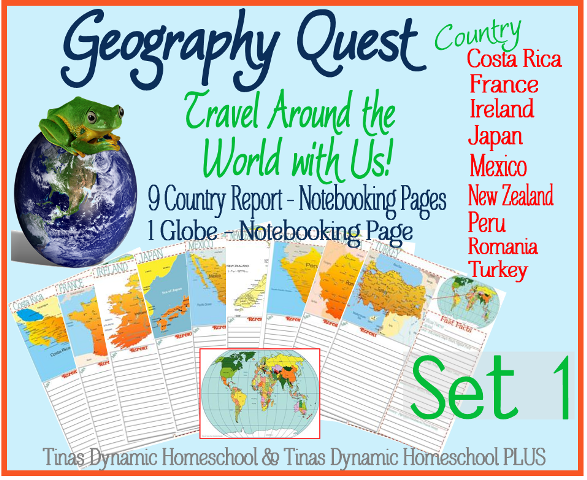
9 South America Country Reports for Kids Notebooking Pages

I have all my geography country reports on my page Geography, Country Studies & Timelines.

Also, add more unit study resources.

More Unit Study Resources

  • Free South America Printable Lapbook and Fun Hands-on Unit Study Ideas
  • Appreciating the Culture of South America Through Dance
  • Free Machu Picchu Mini Book & Completed Lapbook
  • 6 Country Notebooking Pages
  • How to Memorize the Countries of South America & Mountain Climate Zones Minibooks
  • South America Unit Study– Colorful Free Printable Map
  • Geography Salt Dough Map + Printable Pennants
  • South America Unit Study resources
9 South America Country Reports for Kids Notebooking Pages

In addition, you may love some of these books which we liked.

13 Resources for a Study of South America

Add some of these fun books and resources to your study of South America.

Image for South America (Rookie Read-About Geography: Continents)

South America (Rookie Read-About Geography: Continents)

An incredible variety of climates and biomes span the territory of South America. As a result, the continent contains some of the greatest biodiversity on Earth.

Rookie Read-About: Continents series gives the youngest reader (Ages 3-6) an introduction to the components that make each continent distinctive and exceptional. Readers will get to know each continents' geography, history, and wildlife. In this book readers learn about the continent of South America, including the geography, native animals, people and more.

Image for Ancient Civilizations: Aztecs, Maya, Incas!: With 25 Social Studies Projects for Kids (Explore Your World)

Ancient Civilizations: Aztecs, Maya, Incas!: With 25 Social Studies Projects for Kids (Explore Your World)

A full-color, compelling book for ages 7 to 10 offers a deep dive into the three sophisticated ancient civilizations of Mesoamerica―the Aztecs, Maya, and Incas― through hands-on STEAM projects, essential questions, and loads of fascinating facts!

Why were there more than 3,000 steps built at Machu Picchu? Why did the Aztecs roam Mexico for nearly 200 years before finding a place to settle? How did the Maya study the movements of the stars and the planets? Ancient Civilizations: Aztecs, Maya, Incas! With 25 Social Studies Projects for Kids takes kids ages 7 to 10 on a guided tour to experience the history, culture, economics, and daily life of the Aztecs, Maya, and Incas.

Image for Biblioburro: A True Story from Colombia

Biblioburro: A True Story from Colombia

A man, his burros, and his books bring joy to children in remote Colombian villages in this inspiring book based on a true story by celebrated picture book creator Jeanette Winter.Luis loves to read, but soon his house in Colombia is so full of books there’s barely room for the family. What to do? Then he comes up with the perfect solution—a traveling library! He buys two donkeys—Alfa and Beto—and travels with them throughout the land, bringing books and reading to the children in faraway villages.

Image for Secret of the Andes (Puffin Newberry Library)

Secret of the Andes (Puffin Newberry Library)

An Incan boy who tends llamas in a hidden valley in Peru learns the traditions and secrets of his ancestors. 

Image for My Mama's Little Ranch on the Pampas

My Mama's Little Ranch on the Pampas

In the sequel to On the Pampas, the author recalls her first year on the small Argentinian ranch purchased and managed by her mother, in an account that includes a visual dictionary of the Spanish words and geographical terms used in the text.

Image for Tales from Silver Lands

Tales from Silver Lands

Atmospheric woodcuts illustrate this Newbery Award–winning collection of 19 South American folktales. Charles J. Finger heard the tales firsthand from native storytellers, whose fables of talking animals, witches, giants, and ordinary people in supernatural settings provide remarkable insights into regional values and culture. The first of the stories, "A Tale of Three Tails," tells of an age when the rat had a tail like a horse, the rabbit had a tail like a cat, and the deer's tail was plumed like the tail of a dog. "The Magic Dog" recounts an act of kindness to a stray animal that helps overcome a witch's curse. In "The Calabash Man," the creatures of the jungle assist a suitor in winning his bride, and in "El Enano," a greedy troll's insatiable appetite leads to his downfall. Packed with adventure and full of surprises, these and other stories emphasize the importance of hard work, courage, and loyalty.

Image for Turn Right at Machu Picchu: Rediscovering the Lost City One Step at a Time

Turn Right at Machu Picchu: Rediscovering the Lost City One Step at a Time

In 1911, Hiram Bingham III climbed into the Andes Mountains of Peru and “discovered” Machu Picchu. While history has recast Bingham as a villain who stole both priceless artifacts and credit for finding the great archeological site, Mark Adams set out to retrace the explorer’s perilous path in search of the truth—except he’d written about adventure far more than he’d actually lived it. In fact, he’d never even slept in a tent.

Image for Journey to the River Sea

Journey to the River Sea

With the memorable characters and plot twists she brings to her best-selling fantasies, acclaimed author Eva Ibbotson has written a hair-raising novel, set in turn-of-the-last-century Brazil.Accompanied by Miss Minton, a fierce-looking, no-nonsense governess, Maia, a young orphan, sets off for the wilderness of the Amazon, expecting curtains of orchids, brightly colored macaws, and a loving family. But what she finds is an evil-tempered aunt and uncle and their spoiled daughters. It is only when she is swept up in a mystery involving a young Indian boy, a homesick child actor, and a missing inheritance that Maia lands in the middle of the Amazon adventure she's dreamed of. Readers of every generation will treasure Ibbotson's lush historical adventure that harkens back to the beloved classics of Frances Hodgson Burnett and Louisa May Alco

Image for This Place Is Wet

This Place Is Wet

Can you imagine living in a place where there is so much water some houses need to be built on stilts to protect them when the river rises? Or where it is so wet that some plants can grow on the sides of trees with their roots gathering water from the air? In This Place Is Wet, you'll find out all sorts of things about what it's like to live in the rain forest of Brazil. Try to imagine living there!

Image for Bolivar: American Liberator

Bolivar: American Liberator

It is astonishing that Simón Bolívar, the great Liberator of South America, is not better known in the United States. He freed six countries from Spanish rule, traveled more than 75,000 miles on horseback to do so, and became the greatest figure in Latin American history. His life is epic, heroic, straight out of Hollywood: he fought battle after battle in punishing terrain, forged uncertain coalitions of competing forces and races, lost his beautiful wife soon after they married and never remarried (although he did have a succession of mistresses, including one who held up the revolution and another who saved his life), and he died relatively young, uncertain whether his
achievements would endure.

Image for Ada's Violin: The Story of the Recycled Orchestra of Paraguay

Ada's Violin: The Story of the Recycled Orchestra of Paraguay

Ada Ríos grew up in Cateura, a small town in Paraguay built on a landfill. She dreamed of playing the violin, but with little money for anything but the bare essentials, it was never an option...until a music teacher named Favio Chávez arrived. He wanted to give the children of Cateura something special, so he made them instruments out of materials found in the trash

Image for Mayans Aztecs Incas Coloring Book: Coloring Pages of Ancient Mexico Civilizations for Adults and Teens

Mayans Aztecs Incas Coloring Book: Coloring Pages of Ancient Mexico Civilizations for Adults and Teens

Mayans Aztecs Incas Coloring Book – Fun And Education For Adults and TeensMake the perfect gift for anyone who loves coloring! Enjoy this Mayans Aztecs Incas Coloring Book for Adults and Teens. Click the cover to reveal what’s inside!About this book:

  • 40 original pages drawings of Symbols, Warriors, Masks and Mandalas.
Image for The Inca Empire (A True Book: Ancient Civilizations) (A True Book (Relaunch))

The Inca Empire (A True Book: Ancient Civilizations) (A True Book (Relaunch))

Explore the Inca empire, including how the Incas survived in the mountains, how the empire was built, and why it disappeared.

A True Book: Ancient Civilizations series allows readers to experience what makes each ancient civilization distinctive and exceptional as well look at its influence on the some of the practices of the modern world. This series includes an age appropriate (grades 3-5) introduction to curriculum-relevant subjects and a robust resource section that encourages independent study.

How to Get the Free 9 Country Reports

Now, how to grab the free country reports. This is a subscriber freebie.

 1) Sign up on my list.
 2) Grab the freebie now.
3) Last, look for all my emails in your inbox. Glad to have you following me!
9 CommentsFiled Under: 1. My FREE Learning Printables {Any Topic}, Geography Based, My Unit Studies {Free Printables & Hands-on Ideas} Tagged With: amazon rain forest, geography, hands-on activities, handsonhomeschooling, history, history resources, homeschoolgeography, notebooking, south america

How Do Sharks Float STEM Activity Free Shark Unit Study & Notebooking Pages

May 3, 2023 | 4 Comments
This post may contain affiliate links. For more information, please see my full disclosure policy.

I have a shark unit study, an easy shark STEM activity, and free shark notebooking pages. Also, grab more ideas on my best homeschool unit studies, Oceans Unit Study and Lapbook, and Coral Reef pages.

A shark unit study is a fun way to learn about these creatures of the deep even if you don’t live near the ocean, I would prefer not to study them up close anyway.

We can get up close and personal through videos, hands-on activities, fun facts, and fantastic books.

Did you know that, unlike many other bony fishes, sharks do not have a swim bladder that gives them buoyancy?

How Do Sharks Float STEM Activity Free Shark Unit Study & Notebooking Pages

To help overcome their tendency to sink there are large amounts of oil in their liver that is less dense than seawater.

 Also, sharks are made of cartilage rather than bone which is considerably lighter.

To demonstrate why that helps sharks float we are going to create a couple of sharks and perform a fun STEM Experiment.

First, look at some facts for your shark unit study.

Shark Unit Study Shark Facts

  • There are over 500 species of sharks.
  • Shark skin feels very similar to sandpaper.
  • The fastest shark is the Shortfin Mako Shark, clocked at 31mph with short bursts of speed up to 46 mph.
  • The largest shark is the Whale shark while the smallest is the Dwarf Lantern Shark.
  • Prehistoric sharks were called Megalodons.
  • Sharks are found in almost every ocean habitat from coral reefs to the arctic sea.
  • Sharks do not sleep as humans do, but instead, they have active and restful periods.

What are Sharks

Sharks are the ocean’s ultimate predators. Some sharks live in the cold polar waters and others prefer the warm tropical seas.

And a shark is a fish because it swims with fins and has gills.

However, it is a cartilaginous fish and not a bony fish.

Shark Food

Additionally, sharks vary in their diet and in the way they hunt prey.

For example, the tiger shark is famous for eating, anything even license plates.

And the white-tipped shark stays in deep water and is famous because it ate shipwrecked sailors during World War II.

In addition, sharks have larger brains than other fish and can have advanced hunting techniques.

Too, many sharks rely on camouflage and being able to sneak up on their prey.

Moreover, others are filter eaters. They swim with their mouth open, suck in water, and filter the food from the water.

Their meal consists of tiny animals and plants called “plankton” floating in the water.

Also, here are some shark vocabulary words.

  • pup – baby shark
  • dorsal fin – a fin on the back of a fish.
  • caudal fin – the tail fin.
  • pectoral fin – paired fins toward the front of the shark
  • cartilage – tough connective tissue which is not bone
  • marine biologist – a scientist who studies marine (ocean) organisms
  • cartilaginous fish – skeletons are made of cartilage like sharks, rays, and eels
How Do Sharks Float STEM Activity Free Shark Unit Study & Notebooking Pages

Next, unit studies are best remembered by doing hands-on activities.

Shark Unit Study Hands-On Activities

  • I just love this fun Newspaper Shark Craft.
  • Play the Jawsome Shark Rescue Game to get everyone up and moving.
  • Digging For Shark Tooth Fossils Sensory Bin is a fun way to explore the senses.
  • DIY Sharknado – Science Fun For Kids Turn a serious topic into something a little silly.
  • Every unit study needs a couple of good snacks like these Shark Fin Cupcakes
  • Make the Shark Slime Recipe, it’s perfect to add to plastic sharks for hands-on fun.
  • Toddlers through Kindergarteners will love the Feed The Shark Alphabet Game

Homeschool Shark Unit Study Resources

Add one or two of these fun shark books and resources to your study about sharks.

Image for Sharks! (Animal Planet Chapter Books #1)

Sharks! (Animal Planet Chapter Books #1)

Dive inside the world of sharks with this guide to the most incredible creatures in the sea. Photographically illustrated chapters highlight kid-favorite species such as Great Whites and Hammerheads, with a focus on behavior, senses, breeding, and feeding. Sharks! is the perfect overview for developing readers ready to explore this popular animal subject on their own. Special features include full-color photography throughout, "Meet the Scientist" sidebars, and "In Your Newsfeed" articles about amazing new discoveries.

Image for DKfindout! Sharks

DKfindout! Sharks

Supporting STEM-based learning, this fact-filled book for shark aficionados ages 6–9 is the ultimate guide to sharks, from hammerheads to great whites. Entertaining and educating young readers through a combination of close-up images, quirky trivia facts, quiz questions, and fascinating tidbits, it’s the perfect book for any kid who can’t get enough of these ferocious fish.

Image for Professor Noggin's Life in The Ocean Trivia Card Game

Professor Noggin's Life in The Ocean Trivia Card Game

PLAY & LEARN: Professor Noggin’s series of educational card games encourages kids to learn interesting facts about their favorite subjects.

FUN FACTS: Explore underwater and learn about the amazing creatures in the sea. Discover facts about common mammals, plants and other Life in the Ocean.

Image for Sharks Top Trumps Card Game

Sharks Top Trumps Card Game

Find out if the Nurse Shark or the Tiger Shark is the most mysterious, or if the Spiny Dogfish Shark or the Whale Shark has been involved in the most incidents

Image for Bag of Genuine Shark Teeth - Fossilized

Bag of Genuine Shark Teeth - Fossilized

30+ genuine (broken) fossilized shark teeth from Morocco! These are broken and partial teeth fossils! Each bag will have about 2-3 small full shark teeth, the other teeth will be broken and chipped!

Image for LEGO Creator 3in1 Deep Sea Creatures Shark

LEGO Creator 3in1 Deep Sea Creatures Shark

This sea creatures toy building set features 3 sea animal figures: a scary shark, a posable crab with a box of treasure and a wide-mouthed Angler Fish

The dark-blue and white colored toy shark figure has an opening mouth, pointy teeth, posable fins, movable body joints and reflective eyes

Image for Eyewitness Kits Shark Casting Kit

Eyewitness Kits Shark Casting Kit

  • Fun
  • Educational
  • Learn While Having Fun
  • Comes With Everything You Need
  • PerfectCast 5 Times Stronger Than Plaster
Image for Sharks 100 Piece Jigsaw Puzzle

Sharks 100 Piece Jigsaw Puzzle

 100 Piece Puzzle

Image for Ocean Anatomy: The Curious Parts & Pieces of the World under the Sea

Ocean Anatomy: The Curious Parts & Pieces of the World under the Sea

Julia Rothman’s best-selling illustrated Anatomy series takes a deep dive into the wonders of the sea with Ocean Anatomy. Follow Rothman’s inquisitive mind and perceptive eye along shorelines, across the open ocean, and below the waves for an artistic exploration of the watery universe. Through her drawings, discover how the world’s oceans formed, why the sea is salty, and the forces behind oceanic phenomena such as rogue waves. Colorful anatomical profiles of sea creatures from crustacean to cetacean, surveys of seafaring vessels and lighthouses, and the impact of plastic and warming water temperatures are just part of this compendium of curiosities that will entertain and educate readers of all ages. 

Image for 6PC Realistic Shark Figurines Set

6PC Realistic Shark Figurines Set

✔ SHARK FIGURINES BIG PARTY - Includes whale shark, hammerhead shark, tiger shark, blue shark, mako shark, zebra shark. Totally includes 6 sharks figurines. Kids would like to spend more time to observe and play with them.

✔ REALISTIC EMULATIONAL DETAILS - This sea animal figures set was made by hand painted with high realistically detailed appearance, cute face and childish eyes. Their uniquely molded textures and richly painted details make the animals vivid. And all the animal figures stands up very well, they do not fall over. Children would like to spend more time to observe and play with them.

Too, I have some fun free shark notebooking pages.

How Do Sharks Float STEM Activity Free Shark Unit Study & Notebooking Pages

So, look at the title of these 4 notebooking pages.

  1. Sharks – What Are Sharks and About Shark Senses
  2. What Do Sharks Eat
  3. Shortfin Mako and White-Tipped Sharks
  4. Great White Shark and Tiger Shark

In addition, here are more homeschool unit studies.

More Best Homeschool Unit Studies

  • Free Homeschool Chicken Unit Study and Anatomy of an Egg Felt Activity & Worksheet
  • How to Incorporate Subjects into a Fun Homeschool Cooking Unit Study
  • Volcano Unit Study and Fun Apple Volcano
  • Solar System Unit Study and Hands-on Planets Activity
  • Charlotte’s Web Homeschool Unit Study and Fun Hands-on Ideas
  • Homeschool Unit Study Ideas | Lewis and Clark Exploration Lapbook
  • Mushroom Unit Study and Kids Learning Activities
  • Little House on The Prairie Unit Study and Fun Punched Tin Lantern

MORE SHARK ACTIVITIES

  • How to Create a Hands-on Fun Shark Vocabulary Anatomy Activity
  • Free Middle School Years Fun Shark Unit Printables

Finally, look at this fun sharks float STEM a;ctivity.

Shark Unit Study – How Do Sharks Float STEM Activity

You will need:

  • 2 water bottles.
  • Craft foam
  • Sharpies
  • Vegetable oil
  • Water
  • A large container.

Fill two water bottles with the exact same amount of liquid – one with water and one with vegetable oil.

How Do Sharks Float STEM Activity Free Shark Unit Study & Notebooking Pages

Decorate the bottles if you’d like to make them look more like sharks.

Use craft foam to make teeth and fins and then you can draw the details like eyes with a permanent marker.

Use hot glue for a quick secure drying adhesive but apply it to the foam rather than the plastic bottle and avoid touching with the metal nozzle.

How Do Sharks Float STEM Activity Free Shark Unit Study & Notebooking Pages

Once everything has dried on your “shark“ you’re ready to test them out in the water.

A large storage tote is perfect for this experiment, fill it halfway full of water and drop in your sharks.

How Do Sharks Float STEM Activity Free Shark Unit Study & Notebooking Pages

Now it’s time for observation and determining the results. What did you notice? 

While the one with water stays somewhat afloat it is more weighted, the oil field shark floats much more effortlessly.

How Do Sharks Float STEM Activity Free Shark Unit Study & Notebooking Pages

Pop in some plastic sharks and turn your tub of water into a fun sensory play activity as well.

How to Get the Free Shark Notebooking Pages

Now, how to grab the free shark notebooking pages. This is a subscriber freebie.

 1) Sign up on my list.
2) Grab the freebie now.
3) Last, look for all my emails in your inbox. Glad to have you following me!

4 CommentsFiled Under: My Unit Studies {Free Printables & Hands-on Ideas} Tagged With: hands-on, hands-on activities, handson, handsonhomeschooling, homeschoolscience, life science, notebooking, ocean, science, shark, STEM, unit studies, unit study

How to Incorporate Subjects into a Fun Homeschool Cooking Unit Study

April 17, 2023 | Leave a Comment
This post may contain affiliate links. For more information, please see my full disclosure policy.

I’m showing you how to incorporate subjects into a fun homeschool cooking unit study. Also, grab more ideas on my best homeschool unit studies page.

I’m sharing fabulous resources so that you can create an exciting and learning filled study which teaches life skills, math, science, social studies, history, language arts skills and so much more.

How to Incorporate Subjects into a Fun Homeschool Cooking Unit Study

First, look at this book from my favorite series by Julia Rothman Food Anatomy as the main spine.

In Food Anatomy you get gorgeous illustrations and learn about the history of food.

And more specific food groups like fruits and veggies, grains, meats, as well as herbs, dairy, etc.

There is a little bit of basic food vocabulary and a lot of learning about foods and preparation techniques all around the world.

Homeschool Cooking Unit Study Resources

If you want something that is a little more open and go for daily assignments that can still be used with the resources, additional books, videos, and activities below you may want to grab Cooking Curriculum for the Whole Family.

How to Incorporate Subjects into a Fun Homeschool Cooking Unit Study

But you can use Food Anatomy and work your way through it to study cooking methods, utensils, cuisines, and various ingredients.

Then add field trips, cookbooks, movies, books, and more to round out your study.

Cover all the subjects and then some while you make memories together as a family and develop lifelong real-life skills that will follow your children throughout their whole life.

More Homeschool Cooking Unit Study Activities

  • 10 Cooking Class Ideas For Kids | Learn How To Make Pasta
  • How to Help Kids Go Beyond the Basics of Homeschool Cooking & Resources
  • How to Make Easy Herb and Olive Oil Garden Bread With Kids
  • Easy and Quick Breakfasts Kids Will Eat (Grab the Egg McMuffin Recipe)
  • Make Peanut Butter Cookies and Learn George Washington Carver Fun Peanut Quick Unit Study & Notebooking Pages
  • Hands-on History: Make Maple Snow Candy – Pioneer Activit
  • Homeschool Organization: Are you Collecting Cookbooks OR Recipes?
  • How to Make Celtic Cakes -Recipe for Hands-on History
  • Lewis and Clark:Cooking on the Trail
  • World War II Hands-On History – Make Ration Cakes
  • French Revolution Unit Study – Pain Au Chocolat Easy Recipe
  • 5 Gift Ideas for the Homeschool Mom Who Needs a Cooking Reboot

Tips for Using Math To Learn How to Cook

Let’s start with math.

Some of the math kids get from cooking is obvious but you can bring it from basic math to more in-depth for older kids with a few simple steps.

  • They will learn fractions by measuring of course but take it a step further and halve or double the recipe to increase their fraction skills.
  • Need to make a cup? Have your child use ¼. ½, or ⅓ to make it rather than using the 1 cup measuring cup for additional practice.
  • Use a kitchen scale to weigh wet and dry ingredients as well as compare uncooked and cooked meats.
  • Practice converting ounces to cups and vice versa.
  • Create a budget for a meal or the whole week and have your child use flyers to plan and shop from.
  • Make pizza from scratch and use it to practice fractions but cutting it into 8 equal slices.
  • Use small foods as manipulatives like grapes, blueberries, olives to practice multiplication or division.
How to Incorporate Subjects into a Fun Homeschool Cooking Unit Study

Next, look at some ideas for language arts.

Cooking and Learning Language Arts

  • Develop reading skills by having your child read the recipes aloud.
  • To practice handwriting skills let your child write the grocery list or menu as you dictate it to them.

Kitchen Terminology for Kids

Introduce a variety of kitchen terminology as vocabulary and spelling words.

  • cuisine
  • dice
  • marinate
  • knead
  • simmer,
  • delectable.

You can find a nice variety of words with the definitions in Food Anatomy.

  • Read a biography/autobiography on a famous chef like –Who Was Julia Child?
  • Have your child write a review like a food critic after a meal or trip to a favorite restaurant with pen and paper or using a word program.

14 Learning How To Cook Books and Games

Add some of these books and games to your homeschool cooking unit study to learn life skills and have fun with the entire family.

Image for Food Anatomy: The Curious Parts & Pieces of Our Edible World

Food Anatomy: The Curious Parts & Pieces of Our Edible World

Get your recommended daily allowance of facts and fun with Food Anatomy, the third book in Julia Rothman’s best-selling Anatomy series. She starts with an illustrated history of food and ends with a global tour of street eats. Along the way, Rothman serves up a hilarious primer on short-order egg lingo and a mouthwatering menu of how people around the planet serve fried potatoes — and what we dip them in. Award-winning food journalist Rachel Wharton lends her expertise to this light-hearted exploration of everything food that bursts with little-known facts and delightful drawings. Everyday diners and seasoned foodies alike are sure to eat it up. 

Image for Cooking Curriculum for the Whole Family

Cooking Curriculum for the Whole Family

your homeschool curriculum needs life skills and your life needs kids who help out.

Connect with your kids in the kitchen, build life skills, and put peace into your homeschool day.

Image for Who Was Julia Child?

Who Was Julia Child?

Born in California in 1912, Julia Child enlisted in the Army and met her future husband, Paul, during World War II. She discovered her love of French food while stationed in Paris and enrolled in Le Cordon Bleu cooking school after her service. Child knew that Americans would love French food as much as she did, so she wrote Mastering the Art of French Cooking in 1961. The book was a success and the public wanted more. America fell in love with Julia Child. Her TV show, The French Chef, premiered in 1963 and brought the bubbling and lovable chef into millions of homes. Find out more about this beloved chef, author, and TV personality in Who Was Julia Child?

Image for The Science Chef: 100 Fun Food Experiments and Recipes for Kids

The Science Chef: 100 Fun Food Experiments and Recipes for Kids

Break out your best aprons and spatulas: The Science Chef: 100 Fun Food Experiments and Recipes for Kids, 2nd Edition teaches children the basics of science through a variety of fun experiments, activities, and recipes. Each chapter explores a different science topic by giving you an experiment or activity you can do right in your kitchen, followed by easy-to-make recipes using ingredients from the experiment. Altogether there are over 100 experiments, activities, and recipes for you to try. From learning why an onion makes you cry to how to bake the perfect cupcake, you'll bring the fundamentals of science to life in a new, magical way.

Image for MasterChef Junior Cookbook: Bold Recipes and Essential Techniques to Inspire Young Cooks

MasterChef Junior Cookbook: Bold Recipes and Essential Techniques to Inspire Young Cooks

Creativity, hard work, and lots of fun—that’s what it takes to cook like a master. Beloved television competition show MasterChef Junior fosters all of this within each of its pint-size home cooks, and what they whip up is truly impressive. This book aims to give any aspiring young chef the tools he or she needs to hone essential cooking skills, with 100 recipes inspired by dishes that the contestants served in the first five seasons, as well as timeless techniques, tips, and advice. With this book, anyone can become an excellent cook.

Image for MasterChef Family Cooking Game.

MasterChef Family Cooking Game.

Bring Masterchef Into Your Kitchen: Turn Mealtime Into Game Time With This Exciting New Culinary Board Game. Teach Kids Valuable Cooking Skills Through A Series Of Fun Challenges With Delicious Results. Find Out If Your Family Has What It Takes To Become The Ultimate Masterchef

Image for Guacamole Game - Cooperative and Critical Thinking Ingredient Matching Card Game

Guacamole Game - Cooperative and Critical Thinking Ingredient Matching Card Game

EASY TO PLAY: Players must use critical thinking to collect the ingredients for their guacamole recipes.

FAMILY FUN: This lively family card game is perfect for kids to spice up their day or for contemplative adults.

Image for Foodie Fight Revised: A Trivia Game for Serious Food Lovers

Foodie Fight Revised: A Trivia Game for Serious Food Lovers

FIND THE BIGGEST FOODIE: Test your knowledge on topics ranging from culinary science to celebrity chefs, exotic cuisine to cooking and baking skills.

Image for Your Kids: Cooking!: A Recipe for Turning Ordinary Kids Into Extraordinary Cooks

Your Kids: Cooking!: A Recipe for Turning Ordinary Kids Into Extraordinary Cooks

Your Kids: Cooking! is a fun and engaging hands-on cooking program that prepares kids for a lifetime of healthy eating by teaching them how to turn fresh, wholesome ingredients into healthy and delicious meals. Much more than a just a cookbook, YKC is a multimedia cooking program that teaches kids how to cook in a structured, fun, and engaging way. 

Image for Melon Rind Check The Oven! Math Game - Adding to 12 Card Game for Kids (Ages 7 and up)

Melon Rind Check The Oven! Math Game - Adding to 12 Card Game for Kids (Ages 7 and up)

Sometimes you just need to break it up with a fun family game, but to stay on theme let's go with the quick play card game - Check the Oven.

Image for Throw Throw Burrito

Throw Throw Burrito

Another one that our family enjoys for fun that is food-themed is Throw Throw Burrito, you will end up in stitches with this one.

Image for Teens Cook

Teens Cook

Teenagers like what they like, and they will only eat what they like. But instead of causing mealtime strife, now they can learn to cook those foods themselves. With over 75 delicious recipes for meals at all times of the day—breakfast, snacks, sides, dinners, and dessert, too—Teens Cook is a guide to everything teenagers (and tweens) need to learn about conquering the kitchen without accidentally setting the house on fire. Written by teens and for teens in easy-to-follow instructions, authors Megan and Jill Carle give young readers advice on how to maneuver their kitchen in a language they’ll understand (and actually listen to). The Carle sisters pass on their knowledge of how to decipher culinary vocabulary, understand kitchen chemistry (why stuff goes right and wrong when cooking), adapt recipes to certain dietary restrictions (like vegetarianism), and avoid all sorts of possible kitchen disasters.

Image for Where's Mom Now That I Need Her: Surviving Away from Home

Where's Mom Now That I Need Her: Surviving Away from Home

WHERE'S MOM NOW THAT I NEED HER?: Surviving Away from Home is the ultimate guide to living away from home! It is filled with real world information and basic survival tips on topics such as:

  • Cooking for BEGINNERS with Recipes for Quick, Easy Meals
  • Nutrition
  • Grocery Shopping
  • Laundry and Clothing Care
  • First Aid
  • And lots more
Image for The Happy Planner - Foodie (Recipe Organizer)

The Happy Planner - Foodie (Recipe Organizer)

During their last few years at home, it is a great time to put together a book of family recipes. This Happy Planner Recipe Book is a great place to preserve recipes while they work on penmanship and attention to
detail. It has a kitchen conversion list and then is broken down into 8 categories.

Science and Cooking

  • Recreate some of the experiments in Science Chef Food Experiments to include more science beyond the chemistry of cooking and baking.
  • Study part of the periodic table by learning about the elements and their abbreviations that are either found in foods or materials used to make them like these cards from our periodic elements game. Try to find objects in the kitchen to match the elements.
  • Experiment with adding different amounts of ingredients like sugars, leavening agents, and various types of oils, etc to investigate the various cause and effects.

How to Learn Geography and History of Food

  • Learn about the place where your food comes from, find the country on a map for various cuisines, research a bit about the culture.
  • Find out about the history of various foods and food related items. Did pizza originate in Italy? Where were chopsticks first used?
  • Study foods popular throughout various time periods like Colonial Syllabub, Sebutu Rolls from Ancient Mesopotamia, or Daniel Boone’s Johnny Cakes.
How to Incorporate Subjects into a Fun Homeschool Cooking Unit Study

More Best Homeschool Unit Studies

  • Solar System Unit Study and Hands-on Planets Activity
  • Charlotte’s Web Homeschool Unit Study and Fun Hands-on Ideas
  • Homeschool Unit Study Ideas | Lewis and Clark Exploration Lapbook
  • Mushroom Unit Study and Kids Learning Activities
  • Little House on The Prairie Unit Study and Fun Punched Tin Lantern

Home Economic and Life Skills

  • Teach your child what different tools, pots, and pans are used for.
  • Visit restaurants with different cuisines as a yummy field trip, tasting and learning different seasonings and styles is a big part of cooking skills.
  • Practice fine motor and visual discrimination skills with preschoolers by tracing some basic kitchen object shapes onto paper and having them match the outline with the object.

Learn how to cut difficult fruits like mango or make noodles from scratch within the book Food Anatomy.

How to Incorporate Subjects into a Fun Homeschool Cooking Unit Study

Leave a CommentFiled Under: My Unit Studies {Free Printables & Hands-on Ideas} Tagged With: cooking, hands-on, hands-on activities, handsonhomeschooling, sciencecurriculum, unit studies, unit study, unit study approach

Lewis and Clark Expedition Botany 1 and 2 Interactive Minibooks

April 13, 2023 | 2 Comments
This post may contain affiliate links. For more information, please see my full disclosure policy.

We are moving on to another huge unit study to focus on for American history, which is the Lewis and Clark Expedition.You’ll find more ideas on my page Lewis and Clark.

Today, I have the Lewis and Clark botany 1 and 2 minibook printables.

Note: The botany 1 and 2 minibooks were free for a limited time.

Since this is our second time to visit this subject and with Tiny at middle & high school level now, I will have to spin out the topics in a different direction

Lewis and Clark Expedition Botany 1 and 2 Interactive Minibooks

When we studied Lewis and Clark at an elementary level for my older set of boys, Tiny was very young. By the way, be sure to grab my first lapbook there.

Lewis and Clark free Botany 1 and Botany 2 minibooks @ Tina's Dynamic Homeschool Plus
Lewis and Clark Free Botany 1 and Botany 2 Minibooks for a lapbook or unit study.

I can’t get choked up when I see this picture, well maybe a little, because your homeschool journey moves faster than you realize though you don’t think so when you’re in the moment.

Lewis and Clark unit study

Tiny has fond memories of that first study, so I am looking forward to building on his knowledge and love of our previous study.

So we looked over the unit study and have our ideas brewing about what he wants to learn.

Science of the Lewis and Clark Expedition

First, though I am updating some of those forms and changing them to add them to this second visit of this topic.

A botany notebooking page is on my previous unit study page, but we wanted a minibook of it so we can either create a lapbook page or notebooking page with mini printables.

This unit study completely planned like I mentioned, but we have several ideas brewing.

Besides, we may want to take some bunny trails because there is so MUCH to study.

Moreover the botany notebooking page, which has been turned into two botany accordion fold minibooks gives us a starting point in our unit study.

Additionally, I wanted Tiny to review some of the over 200 plants that Lewis and Clark identified and name.

Lewis and Clark didn’t really “discover” them because Native Americans were already in the areas that Lewis and Clark traveled and were familiar with the plants using them as medicinal purposes and in every day life.

However, Lewis and Clark did scientifically name them and organize them.

Lewis and Clark Botany 1 and 2 Minibooks

Tiny spent the morning looking over journal entries where provided, pictures and reading about where specimens were identified.

Look at this site Lewis and Clark Library and study the plants, journal entries and pictures and then fill out the minibooks.

Also I have the answers for the plants on the last page of the minibooks.

Learn from the site above and identify the plants, give their scientific name and a few facts about each plant and add it to your lapbook.

Fold accordion style and keep in a zipper pouch or better yet, a big ziploc bag like we do.

Then, at the end of the unit study I will give you some ideas for layouts on your page.

Next, I have some books you may want to add to your unit study.

14 Lewis and Clark | Sacagawea Exploration Unit Study Resources

Lewis and Clark is one of the most significant periods in American history and you can spend weeks exploring the lands and people west of the Mississippi with these fun books and resources.

Image for How We Crossed The West: The Adventures Of Lewis And Clark

How We Crossed The West: The Adventures Of Lewis And Clark

Appealing art and descriptive text bring Lewis and Clark alive for young adventurers. Carefully chosen text from Lewis and Clark's actual journals opens a fascinating window into this country's exciting history.

Image for National Geographic Readers: Sacagawea

National Geographic Readers: Sacagawea

Explore one of the most recognized figures in American history with this biography of Sacagawea. Kids will learn about her crucial role in the Lewis and Clark expedition and her influential legacy.  The level 3 text provides accessible, yet wide-ranging, information for independent readers.

Image for Of Courage Undaunted: Across the Continent with Lewis & Clark

Of Courage Undaunted: Across the Continent with Lewis & Clark

Commissioned in 1803 by President Thomas Jefferson to explore and open up this vast territory, Lewis and Clark felt it was the realization of a lifelong dream. Against the hardships of the wilderness, possible attack by hostile Indians, sudden blizzards and terrifying natural obstacles, these two men led the Corps of Discovery ably and nobly to complete their mission. Their Corps included American Indians from the Sioux, Mandan, Shoshone, Clatsop and Chopunnish tribes. Sacajawea, the only woman on the trip, was a Shoshone woman who contributed invaluable service as interpreter and guide. Daugherty's evocative sepia and black ink illustrations depict individuals of humor, vitality, passion, and strength.

Image for Undaunted Courage: Meriwether Lewis, Thomas Jefferson, and the Opening of the American West

Undaunted Courage: Meriwether Lewis, Thomas Jefferson, and the Opening of the American West

From the New York Times bestselling author the definitive book on Lewis and Clark’s exploration of the Louisiana Purchase, the most momentous expedition in American history and one of the great adventure stories of all time.

Image for The Truth About Sacajawea (Lewis & Clark Expedition)

The Truth About Sacajawea (Lewis & Clark Expedition)

The only book ever written that tells the eyewitness truth about this famous teenage Indian mother who was indispensable to the Lewis and Clark Expedition.

Image for The Journals of Lewis and Clark: 1805: Volume II

The Journals of Lewis and Clark: 1805: Volume II

On May 14, 1804, the Corps of Discovery set out from Camp Dubois, Illinois, heading westward under the command of Captain Meriwether Lewis and his Second Lieutenant, William Clark. While Lewis led the group in terms of rank, the two men became de facto equals, giving their names jointly to a journey that would shape the future of the fledgling United States — the Lewis and Clark Expedition. This book presents journal entries taken directly from the expedition.

Image for Sacagawea: American Pathfinder

Sacagawea: American Pathfinder

Describes how Sacagawea found adventure guiding Lewis and Clark to the Oregon coast.

Image for Along the Trail with Lewis and Clark (Third Edition): A Guide to the Trail Today

Along the Trail with Lewis and Clark (Third Edition): A Guide to the Trail Today

Take Your Own Journey through History on the Lewis & Clark Trail! Follow the journey of the Corps of Discovery from Thomas Jefferson’s Monticello through the Midwest and the Rockies, to the Pacific Ocean and back with this detailed chronicle of the Lewis & Clark Expedition. This third edition of the classic guidebook features accessible text that combines the historical sites and color maps that merge the past and present in a user-friendly and entertaining way.

Image for The Lewis and Clark Expedition (Graphic History)

The Lewis and Clark Expedition (Graphic History)

In this epic graphic novel, follow the dramatic story of  the Lewis and Clark expedition. In 1804, these two explorers, along with their "Corps of Discovery," traversed the unmapped American West, leading to scientific discoveries, interactions with Native nations, and route to the Pacific Ocean. Dramatic illustrations and fast-paced text provide a "you-are-there" experience. With extensive back matter, including a bibliography, extended reading list, glossary, and further Internet sources, young readers will gobble up this action-packed comic book about one of history's most compelling moments.

Image for The Oregon Trail: The Journey Across the Country From Lewis and Clark to the Transcontinental Railroad With 25 Projects

The Oregon Trail: The Journey Across the Country From Lewis and Clark to the Transcontinental Railroad With 25 Projects

In The Oregon Trail: The Journey Across the Country from Lewis and Clark to the Transcontinental Railroad, readers ages 9 to 12 can delve into the explorations of Meriwether Lewis and William Clark and other explorers. They can learn about the more than half a million people who followed during the nineteenth century. What challenges did these pioneers face on the 2,170-mile journey? How were Native American tribes and nations affected by this mass migration? Primary sources allow readers to feel like a part of the Oregon Trail experience while biographical sidebars will introduce the compelling people who were part of this time in U.S. history. Investigative, hands-on projects and critical thinking activities such as writing a treaty and researching artistic impressions of the Oregon Trail invite readers to further their understanding of life on the trail, early towns and forts, and the Transcontinental Railroad that followed the wagons into new lands and territories that would eventually become states.

Image for Seaman's Journal

Seaman's Journal

A trade paperback edition of the award-winning tale of the journey of Lewis and Clark. When Seaman, a Newfoundland dog, met his new master in August of 1803, he didn't know that he would spend the next three years on an adventure of more than 8,000 miles to the Pacific Ocean and back. Seaman's Journal is based on actual entries in Meriwether Lewis s journal describing Seaman, and it presents an account of the Lewis and Clark expedition as seen from the viewpoint of Lewis s dog. Join Seaman before the trip as preparations take place. Meet the Native American guides and friends they encountered along the way. And read of Seaman s love for Sacajawea, the Shoshone woman whose husband acted as interpreter and guide. Ages 5-8.

Image for The Lewis & Clark Expedition: Join the Corps of Discovery to Explore Uncharted Territory

The Lewis & Clark Expedition: Join the Corps of Discovery to Explore Uncharted Territory

Describes the expedition led by Lewis and Clark to explore the unknown western regions of America at the beginning of the nineteenth century.

Image for Lewis and Clark for Kids: Their Journey of Discovery with 21 Activities

Lewis and Clark for Kids: Their Journey of Discovery with 21 Activities

Following Meriwether Lewis and William Clark’s Corps of Discovery as they navigate the muddy Missouri River and begin a great adventure, this activity book is set against the background of the vast North American continent. It takes children from President Jefferson’s vision of an exploratory mission across a continent full of unique plants and animals through their dangerous and challenging journey into the unknown to the expedition’s triumphant return to the frontier town of St. Louis. Twenty-one activities bring to life the Native American tribes they encountered, the plants and animals they discovered, and the camping and navigating techniques they used. A glossary of terms and listings of Lewis and Clark sites, museums, and related websites round out this comprehensive activity book.

Image for It's Her Story Sacajawea A Graphic Novel

It's Her Story Sacajawea A Graphic Novel

Sacajawea was a brilliant, multilingual Shoshone girl who was torn from her home at a young age. In 1804, she set out with the Lewis and Clark Expedition, acting as an interpreter and guide across hundreds of miles of unmapped land to reach the Pacific Ocean. Almost 200 years later, she became the first Indigenous woman to appear on a US coin. This is her story.

GRAB THESE OTHER RESOURCES AND HANDS-ON IDEAS

Lewis and Clark: Hands-on History. Make a Char Cloth
Hands-On History: Make a Journal!
Lewis and Clark Louisiana Purchase Edible Map
Lewis and Clark Expedition – The Ultimate Guide
Lewis and Clark Unit Study and Lapbook
Lewis and Clark:Cooking on the Trail
Lewis and Clark Free Botany 1 and 2 Minibooks
How To Make An Easy Ink pot & Quill Pen with Berry Ink

Lewis and Clark Lapbook, Notebooking Pages, and Coloring Pages

Below, look at the minibooks which come with this lapbook.

In addition, there are more minibooks than you need to fill one lapbook.

I include these in your lapbook so that if you want to study different subtopics you have a minibook.

Too, don’t forget we created this lapbook by turning the file folder landscape.

Now, here is a list of the pages which come with your purchase.

  • 3 pages which can be used for the outside cover – the pages are created for landscape layout
  • 5 coloring pages – which are created portrait. These can be used to include your younger children or use them for outside cover pages if you turn your file folder portrait instead of landscape.
  • 4 minipockets and minibook with lines – 1 each for Meriwether Lewis, William Clark, Sacagawea, and The Enlisted Men.
  • 4 minipockets and minibook with no lines – 1 each for Meriwether Lewis, William Clark, Sacagawea, and The Enlisted Men which allows your child to draw or cut off the other side to use for memory, games, or add any other information. They are very flexible.
  • Doctoring in the Wilderness minibook – Have your child learn the names of a few herbs.
  • Mission. Have your child describe what is the purpose of the mission or how it came about.
  • How Long Was the Journey minibook with timeline
  • What Did They Take minibook. Cut out pictures and talk about what they carried on the journey and why it was needed.
  • Map of the Expedition. Locate the places on the map.
  • Indian Country – Learn about the Native Americans Lewis and Clark encountered.
  • Geography on the Lewis and Clark Expedition. Write some brief points about geography.
  • Botany Book 1 and Botany Book 2. Learn about some of the plants along the way.
Lewis and Clark Expedition Botany 1 and 2 Interactive Minibooks. We are moving on to another huge unit study to focus on for American history, which is the Lewis and Clark Expedition.You’ll find more ideas on my page Lewis and Clark. Today, I have the Lewis and Clark botany 1 and 2 minibook printables. When we studied Lewis and Clark at an elementary level for my older set of boys, Tiny was very young. By the way, be sure to grab my first lapbook there.
  • Dynamic Lewis and Clark Lapbook for Multiple Ages

    Dynamic Lewis and Clark Lapbook for Multiple Ages

    $4.00
    Add to cart

Don’t forget to follow BOTH of my Pinterest accounts for more AWESOME pins.

Lewis and Clark Expedition Botany 1 and 2 Interactive Minibooks

Visit Tina Robertson’s profile on Pinterest.


Visit Tinas Dynamic Homeschool ‘s profile on Pinterest.

2 CommentsFiled Under: 1. My FREE Learning Printables {Any Topic}, Geography Based, History Based, Lapbooks Tagged With: botany, lapbook, lewis and clark, lewisandclark

Free Homeschool Volcano Unit Study and Fun Apple Volcano

April 10, 2023 | Leave a Comment
This post may contain affiliate links. For more information, please see my full disclosure policy.

Today, have a fun volcano unit study. Also, grab more ideas on my best homeschool unit studies page.

Besides, kids love to watch the fiery explosion of an erupting volcano, real or replicated.

I have some great resources for you to put together a volcano unit study for the whole family to enjoy.

Also, I have ideas, fun facts to videos, books, games, art, and anything else you might need to make it explosively good. 

Free Homeschool Volcano Unit Study and Fun Apple Volcano

Additionally, we are going to create an apple volcano.

It is easy and fun for preschoolers and early elementary students.

However, I guarantee if you put your middle school child up to create it from start to finish, he will enjoy this simple activity as well.

Facts about Volcanoes

Also, look at these facts about volcanoes.

  • The word “volcano” comes from Vulcan, the Roman god of fire.
  • Volcanologists are scientists who study volcanoes using methods from geology, chemistry, geography, mineralogy, physics, and sociology.
  • There are about 350 million people who live in the “danger range” of an active volcano.
  • Volcanoes are classified into one of 3 ways-active, dormant, or extinct.
  • Besides on land volcanoes can also be found on the ocean floor and under ice caps.
  • Pompeii was destroyed and buried by a volcano called Mount Vesuvius in A.D. 79.
  • Earth’s crust has 17 major, rigid tectonic plates. They float on a hotter, soft layer in the mantle. Volcanoes are often found where tectonic plates are moving apart or coming together.
  • There are three different types of volcanoes – Strato (Composite), Shield, and Dome.

Next, look at some words and questions to include in the volcano unit study.

  • lithosphere: The Earth’s outermost shell.
  • magma:  The liquid rock inside the earth.
  • lava: Magma spewed from a volcano.
  • spew: To forcefully expel something.
  • ash: Dust made from the bits of burnt rock.
  • vent: opening to allow air, heat, or steam to escape.
  • erupt: to explode
  • crater: The circular depression containing a volcanic vent.
  • liquid: not a solid or gas; like milk, water, or juice.
  • atmosphere: The mixture of gases that envelops the Earth.
  • hydrosphere: It is the water on the Earth’s surface contained in oceans, lakes, rivers, and streams, as well as ground water.
  • cryosphere: Water on the Earth’s surface which is frozen such as glaciers; snow; sea, lake, and river ice.

What is a volcano? A volcano is a circular or linear opening in the Earth’s surface through which lava, rock fragments, ash, aerosols, and gases erupt.

Why do volcanoes occur? Because the Earth’s rigid outer shell, the crust and upper mantle, is broken into a mosaic of plates. The plates are in constant motion.

Free Homeschool Volcano Unit Study and Fun Apple Volcano

What are the effects of volcanoes on the Earth? Volcanic eruptions can destroy the landforms they help create.

About the Eruption of Mount St. Helens

Moreover, research about the eruption of Mount St. Helens. On May 18, 1980, Mount St. Helens erupted violently.

For nearly 2 months, scientists had been monitoring changes at Mount St. Helens. Gone were 70 percent of the glaciers that had crowned the volcano.

Within a few minutes of the start of the eruption, the mountain lost 1,312 feet of its height and a gaping crater 2,050 feet deep, 1.7 miles long, and 1.3 miles wide opened on its once nearly symmetrical cone.

Books and Resources for a Homeschool Volcano Unit Study

12 Volcano Books & Resources

Add one or two of these books to learn about volcanoes and add some hands-on ideas to learn about the types of volcanoes.

Image for Volcanoes

Volcanoes

Did you know there are four main types of volcanoes? Or that volcanoes are classified as active, dormant, or extinct? The Devil’s Tower in Wyoming is an extinct volcano. It’s about 40.5 million years old!

Image for Birth Of an Island

Birth Of an Island

Simple explanation of how an island is formed. B/ W sketch illustrations.

Image for R&R Games The Table is Lava Family Game

R&R Games The Table is Lava Family Game

As Dawn breaks, mount kahlualualuau is spewing its fiery lava down onto meepleville. The natives are frantically trying to escape the rivers of lava and remain on safe ground. Whoever’s tribe survives the eruption with the most Meeples shall be the winner!

Image for Volcano: Eruption and Healing of Mt. St Helen's

Volcano: Eruption and Healing of Mt. St Helen's

In this extraordinary photographic essay, Patricia Lauber details the Mount St. Helens eruption and the years following in Volcano: Eruption and Healing of Mt. St. Helen's.Through this clear accurate account, readers of all ages will share the awe of the scientists who witnessed both the power of the volcano and the resiliency of life.

Image for The Kingfisher Science Encyclopedia

The Kingfisher Science Encyclopedia

Science is vital for every inhabitant of today’s world, and being scientifically informed and literate is a crucial part of any child’s education. Science can seem daunting –- especially as scientific knowledge advances so quickly –- and this volume is the perfect purchase for any family. It will bear repeated use by all the family from 10+ through the teenage years.

Image for All About Volcanoes (A True Book: Natural Disasters) (A True Book (Relaunch))

All About Volcanoes (A True Book: Natural Disasters) (A True Book (Relaunch))

Conditions on Earth are becoming more and more extreme and kids want to learn about it!

Is it true that, at any given time, about 20 volcanoes are erupting somewhere on Earth? Yes! Sometimes volcanoes erupt with a big, dangerous bang. Other times they spit out lava so slowly that you could walk faster than it flows.

Image for How to Dig a Hole to the Other Side of the World

How to Dig a Hole to the Other Side of the World

‘[An] irresistible account of a child’s imaginary 8,000-mile journey through the earth to discover what’s inside. Facts about the composition of the earth are conveyed painlessly and memorably.’ —SLJ. ‘An exciting adventure. . . . Illustrations [by Caldecott Medal winner Marc Simont] explode with color and action.’ —CS.

Image for Volcanoes! (National Geographic Readers)

Volcanoes! (National Geographic Readers)

The cool story of volcanoes will intrigue kids and adults alike. Hot melted rock from the middle of our planet forces its way up through cracks in the Earth’s crusts, exploding violently and sometimes unexpectedly in volcanic fury that can terrorize populations for months, even years.

Image for National Geographic Readers: Erupt! 100 Fun Facts About Volcanoes (L3)

National Geographic Readers: Erupt! 100 Fun Facts About Volcanoes (L3)

Kids will burst with excitement as they learn all about the science and wonder of volcanoes in this new National Geographic Kids Reader.

Image for NATIONAL GEOGRAPHIC Ultimate Volcano Kit – Erupting Volcano Science

NATIONAL GEOGRAPHIC Ultimate Volcano Kit – Erupting Volcano Science

UNFORGETTABLE SCIENCE EXPERIMENTS – This is a great hands-on experiment kit for any science fair; the updated mold and instructions make it easy to assemble a sturdy volcano form and realistic paint colors give the volcano a lifelike look.

Image for Natural and Earth Science Educational Flash Card

Natural and Earth Science Educational Flash Card

This set of 48 cards features a colorful illustration on one side and informational facts on the other side.

Image for The Magic School Bus: Blasting off with Erupting Volcanoes

The Magic School Bus: Blasting off with Erupting Volcanoes

MIX YOUR OWN LAVA: Use the included mixture to form your own “lava” and experiment with explosions by making your own volcano erupt!

Hands-on Activities to Learn About Volcanoes

In addition, learning should always be fun. So, work in a few board games

  • Work some art into your volcano unit study and create this Fizzing Baking Soda Paint Volcano Craft.
  • Draw or trace a cross-section of a volcano, this one is from the Nature Anatomy books. Too, have your child color it in and label the different parts that make up a volcano.
Free Homeschool Volcano Unit Study and Fun Apple Volcano
  • Grab my Mini Volcano Book and Label Layers of Earth Mini Book
  • Challenge your little volcanologist to create a LEGO volcano. Maybe you will have a scientist and people running away as ours did.
  • Try this Glittery Underwater Volcano experiment with preschool and early elementary students.
  • For upper elementary and middle school, you might challenge them to create their own volcano from scratch like this paper mache volcano tutorial.
  • Grab a pumice rock to examine and research how it was formed. The flashcard pictured was one from the Eboo Natural Earth Science cards that went perfectly along with the lesson.
Free Homeschool Volcano Unit Study and Fun Apple Volcano

Grab a map or globe and try to find the site of different volcano.

For example, locate the largest active land volcano (Mauna Loa in Hawaii), the country with the most volcanoes (The U.S), and the belt called the “Ring of Fire” which encircles the Pacific Ocean.

And locate the world’s 5 most active volcanoes.

  1. Mauna Loa – Hawaii.
  2. Eyjafjallajokull – Iceland. 
  3. Mount Vesuvius – Italy. 
  4. Mount Nyiragongo – Congo. 
  5. Taal Volcano – Philippines.

Videos About Volcanoes

  • Volcanoes For Kids
  • Nature Cat Volcano on PBS
  • Introduction to Volcanoes for Kids
  • Volcano Facts For Kids

Additionally, look at these other volcano unit study ideas.

Other Volcano Unit Study Ideas

  • How to Make A Letter V For Volcano Handprint Craft
  • Celebrate National Vinegar Day With A Hands-on Study of Volcanoes
  • Amazing Volcano Facts For Kids & Awesome Lemon Volcano Experiment
  • How To Make A Lime | Lemon Volcano Science Experiment

More Best Homeschool Unit Studies

Next, here are more best homeschool unit studies.

  • Solar System Unit Study and Hands-on Planets Activity
  •  Charlotte’s Web Homeschool Unit Study and Fun Hands-on Ideas
  • Homeschool Unit Study Ideas | Lewis and Clark Exploration Lapbook
  • Mushroom Unit Study and Kids Learning Activities
  • Little House on The Prairie Unit Study and Fun Punched Tin Lantern

More Earth Science Resources

  • 40 Awesome Earth Science Movies for Kindergarten
  • Free Earth Science Lapbook

Apple Volcano Activity

Additionally, a mini volcano like using an apple is a great study of chemical reactions.

Moreover, when baking soda and vinegar combine in a volcano, they make a water and carbon dioxide “eruption” that looks like lava from a volcano.

The best part is that this apple volcano activity can be repeated over and over.

Try different amounts of vinegar, baking soda, and even food coloring to create different effects.

Finally, make this quick and fun volcano activity.

You will need:

  • Large apple
  • White vinegar
  • Baking soda
  • Food coloring
  • Large dish with a lip 
  • Knife for cutting the apple
  • Small pouring container

First, use a sharp knife to core and hollow out the apple ½ to ¾ of the way down and around an inch wide.

Free Homeschool Volcano Unit Study and Fun Apple Volcano

Carefully drop a couple of heaping teaspoons of baking soda into the hole.

Free Homeschool Volcano Unit Study and Fun Apple Volcano

Next, place a few drops of orange and or yellow food coloring on the baking soda and cover it with just a bit more for a colorful surprise.

Free Homeschool Volcano Unit Study and Fun Apple Volcano

Too, add 2 drops of dish soap for the best foaming eruptions.

Free Homeschool Volcano Unit Study and Fun Apple Volcano

Then, place the apple in a shallow container that has a lip to contain the foamy mess. A baking sheet or dish pan works well.

Next, when ready, have your child carefully pour vinegar into the hole and watch what happens.

Eye droppers, mini plastic beakers, test tubes, or turkey basters are great for little hands to hold and add the liquid with.

Free Homeschool Volcano Unit Study and Fun Apple Volcano

You can see the reaction almost immediately which is the fizzing action flying off the top.

Free Homeschool Volcano Unit Study and Fun Apple Volcano

Last, add more vinegar and faster and you get your satisfying overflowing eruption.

Leave a CommentFiled Under: Hands-On Activities, My Unit Studies {Free Printables & Hands-on Ideas} Tagged With: earthscience, hands-on, hands-on activities, handson, handsonhomeschooling, science, unit studies, unit study, volcano

  • « Go to Previous Page
  • Page 1
  • Interim pages omitted …
  • Page 12
  • Page 13
  • Page 14
  • Page 15
  • Page 16
  • Interim pages omitted …
  • Page 48
  • Go to Next Page »

Primary Sidebar

Footer

Privacy Policy | About Me | Reviews | Contact | Advertise

Categories

Archives

Tina Robertson is a participant in the Amazon Services LLC Associates Program, an affiliate advertising program designed to provide a means for sites to earn advertising fees by advertising and linking to amazon.com. As an Amazon Associate, I earn from qualifying purchases.

Copyright © 2026 · 5 TNT LLC · Log in · Privacy Policy