• Facebook
  • Pinterest
  • Instagram
  • YouTube
  • LinkedIn
  • Skip to secondary menu
  • Skip to main content
  • Skip to primary sidebar
  • Skip to footer

Tina's Dynamic Homeschool Plus

Activity, Change, Progress

  • HOME
  • How to
    • Preschool
    • Kindergarten
    • Elementary
    • Middle School
    • High School
      • Science 
  • Planner
  • Lapbooks
    • Trioramas
    • History Games
    • LEGO
  • Shop
  • GET STARTED NOW!
    • Learning Styles
  • 7 Step Planner
    • DIY Best Student Planner
    • Free & Easy DIY Home Management Binder
  • Unit Studies
    • Creation to Ancients
    • Middle Ages to Reform
    • Exploring to Revolution
    • World Wars to Today
    • Science
    • Free Art Curriculum Grades 1 – 8
  • Curriculum
    • More Unit Studies
    • Geography
    • Writing PreK to 12th
    • Geronimo Stilton
  • BootCamp
    • Resources
      • Dynamic Subscriber Freebies
      • Exclusive Subscribers Library
      • Ultimate Unit Study Planner

Welcome

How to Turn a House Into a Homeschool Space Part 2

July 19, 2014 | 8 Comments
This post may contain affiliate links. For more information, please see my full disclosure policy.

Today in sharing how to turn a house into a homeschool space Part 2, I want to share a few things that worked for me  in my homeschool area.  As the boys grow older, some of the things I shared in How to Turn a House Into a Homeschool Space Part 1 stopped working for us.

Sometimes I miss the separate crafts area when they were little.   Not having it now reminds me of how quickly a learning space can change.

No longer was it important to have so many posters and visual aids up on the wall.  Things they needed to learn could now get sized down to letter size and put into their individual notebooks as a reference for them.  Too, as you learn each kid struggles differently in subjects and needs individual references and helps in their own notebooks.

Also, even though I had a learning area upstairs where we homeschooled when we moved into our present home, it lasted just a few short years too.  Again, moving to a different room was one more sign that my boys have grown older because we didn’t have to go upstairs to a separate formal area for part of our day.  Good study habits and a regular routine were now formed.  Easing up on such a formal area is a plus when your kids start taking responsibility for learning.

What’s The Difference Between Relaxed  Learning Places & Play Areas?

It was time to move all of our homeschooling downstairs.  We took over the formal dining area.

It’s important to me that you know from the very beginning of homeschooling that I have always had a time in our day where we moved out of the school room to a more relaxed place like the living room.

Balancing our day with formal and informal spaces has been the key to good study habits for my boys.

In the beginning my school room played an important part in teaching my sons how to learn even at times when they may not have wanted to learn.  Though I am all for relaxed areas, as adults not all things in life indulge us in our whims and moods.   Some days I was just real business-like with our school.

If our school had been in all relaxed areas every day or all formal areas every day, I am not sure if my kids would have self-motivation for learning.  My kids won’t know everything by the time I finish homeschooling, but they will know how to learn.

As your kids get older, learning at the table has a huge advantage over just learning in a space your kids may choose on their own too.

It’s important that the height of the work table encourages neat penmanship, they have good light and adequate cool air.  Sometimes my boys had a tendency to close their doors in their rooms and the warm, still air made for more sleepy time than learning time.  I would change that in the day and insist they come back to the table.  Learning how important their environment is to good study habits, they naturally chose the table to do their formal studying and writing at as they have hit the older years.

Sometimes folding a learning area into a home can look somewhat out of place but there is no need for it to look that way.  At times I miss the cutesy posters on the wall that I had when they were young.  But one huge plus that I am loving is that as they got older, the homeschool area could be organized the way I want it as the teacher.

{No longer organizing for small kids, set up the area in a way that is good for you and your older kids.}

{I used clear shoe box containers for small item storage and toothbrush caddies (new of course) to store pens, pencils and another toothbrush caddie for the scissors.}

{I never use the binder the teacher’s manuals come in because well it doesn’t match. (tee hee hee).  Because I like to label and color coordinate my room as much as I can, I choose binders that will last longer and inspire me.}

Like I told my boys, you have to be a manly man to use the area while mom uses some of her favorite colors like orange passion and hot pink.  On a serious note though most of the time older kids express their creative outlets in their individual rooms so the school area design can be all about mom.  I am loving that!

Look at a few of these tips that helped me to make our last learning area be part of the main living area.

Don’t always look for conventional pieces.

For example, if you’re looking for a bookshelf don’t think you have to look just at bookshelves.  Think: What do I need and how much space do I have? One year, I used shelving that belonged in a garage.  Look at greenhouse storage, baby furniture storage (even if you don’t have babies, this furniture is compact and small), garage storage and even dorm furniture.

Just remember the least inexpensive storage options sometimes are storage pieces made for other places in the house that may not be viewed so beautiful.  A coat of paint and some hooks and it could look like it belongs in the house.

Store crafts in less expensive containers that say they belong in the kitchen or bathroom.

For storing crafts and all those other small bits and pieces of learning tools look outside of storage containers that belong in a kid’s room.  For example, I have the most beautiful color choices when I look for bathroom storage in my homeschool room.

Look for other things that could double as bookends.

I won’t lie here because maybe it’s a fettish of mine that I love bookends.  My weakness, but I will pay top dollar for something that makes my heart go pitter patter.

Look at these things I rounded up to show you where I would start looking for some things when I get to design our next homeschool space.

It says it’s a soap dish, but it looks like a smokin’ hot paper clip holder to me.

It says it’s a bathroom tumbler, but looks like a hot color for storing my pens and pencils to me.

It says it’s a combination toothbrush holder, but looks like a streamlined beautiful way to organize my kids pencils and markers. And another one in a pretty color!

It says it’s a small wastebasket, but it looks like a chic way to store rolled up maps or artwork. Be still my heart because I found orange.

It says it’s a toothbrush holder, but it looks like scissor storage to me.

It says it’s a cosmetic carousel organizer, but it looks like a great way to store school supplies in the center of a table.


Turning a house into a homeschool space means using things that we normally would use each day to redesign, reinvent and rethink how we create learning spaces.  Do you have out of the box organizing pieces you will be trying out this year?

Lastly, I will be doing a 5 Day blogging series next week that I am so excited about.  You know I like reminding you when I go on 5 day rolls.  It is 5 Days of Clever DIY Hacks For Your Homeschool Spaces.

Hugs and love ya,

2012Tinasignature How to Turn a House Into a Homeschool Space Part 1

Linking Up @ these fabulous places:

The Thoughtful Spot | Hip Homeschool Hop |Turn It Up Tuesday|Titus 2 Tuesday|Good Tips Tuesday|

8 CommentsFiled Under: Homeschool Space, Homeschool Tools, Storage, & Accessories Tagged With: homeschoolrooms, homeschoolstorage

How to Turn a House Into a Homeschool Space Part 1

July 18, 2014 | 8 Comments
This post may contain affiliate links. For more information, please see my full disclosure policy.

I just can’t contain myself.  Though I’m excited today to share about how to turn a house into a homeschool space Part 1, I just can’t keep my news from you any longer.

We have a contract on our house!!!! I think I will pass out now that the last stages of packing begins.

I have such mixed feelings going on right now because if all goes as planned with the buyer (which you know we have no control over), then we should close on our house by the end of August. 

Does that mean my blog titles will change to Hotel Homeschooling? Maybe so.  Though there may be some blogging breaks from time to time and because some of you have emailed asking me, please know that I’m not giving up blogging.  I have grown too fond of you.

Also, we are not planning right away to move/fly to South America because we want to take a much needed vacation here in the states. 

You have to love homeschooling at times like this.  When everybody is planning back to school, we will be taking our  “summer break.”  For sure, I’ll keep you posted.

How to Turn a House Into a Homeschool Space Part 1

Today, I want to share a few fun tips that remind me to create a learning rich environment. 

Turn a House Into a Homeschool Space NOT a Classroom

Too, maybe it’s because I am pining to organize, create and decorate a homeschool room which I normally do at this time of the year that I am inspired to share a tip or two that will get you started or help you to make a small change this year.

I have heard it over and over again and that is that you won’t use a homeschool room.  Guess what? I did.  And I loved using it when the kids were young. 

I think some of this depends on the amount of space you have, your need to have some things contained as the teacher and on the ages of your children. 

Transitioning active boys from roughhousing to sitting still for just a bit is a learned art by them you. 

Going into the schoolroom and changing our environment each morning gave my boys a cause to pause. 

It changed their demeanor in the since they got a bit more calm ready to learn.  It was the shift in focus we needed each morning.

It’s funny how when they are small too, they like doing the bunk bed thing and shared bedroom and that freed up an extra bedroom in our house.

How to Turn a House Into a Homeschool Space Part 1

As the teacher mom, it helped me to tame the chaos and clutter by having one area where our books and supplies were too.

Turn a House Into a Homeschool Space NOT a Classroom

A Print-Rich Learning Environment at Home is Important.

However, with that being said, I set up our early learning room a bit more like a classroom with my posters and too rigid of an early morning routine. 

Having all young children then, I think it’s important to have a print-rich learning environment though because I had to teach them all how to read and that begins with early exposure to print, letters and shapes.

How to Turn a House Into a Homeschool Space Part 1

I see now that I could have added plastic learning mats at the table where they ate and even some mats in the potty room.  Scattering the place mats throughout the house can make learning more natural at this age.

Are You Sabotaging Your Child’s Natural Ability to Create and Learn

There were some things I did right and would not change if I had to start homeschooling all over again.

How to Turn a House Into a Homeschool Space Part 1

I couldn’t have schooled without the kidney shaped table.  Though I didn’t have to sit on the other side of a table like a teacher (I still had public school teacher mentality), it worked out great actually because the shape of the table allowed all the kids to sit around together.  Of course the soft round edges were safe too for a toddler pulling up to stand.

Storing all the manipulatives in one area that the kids could easily reach inspired them to create and pretend play. 

Having another separate arts and craft table set up, allowed me to move one or two kids over to that area for some time alone fun time while I still supervised them. 

More Homeschool Spaces Ideas

  • Top 10 Tips for Maximizing Space in (Really) Tiny Homeschool Spaces

This was a sanity saver because it allowed me to work 1:1 with another kid. 

Making time for that precious 1:1 time with each kid whether they are struggling or not in a subject has been vital so that I keep a good pulse on what each of my sons are learning and not learning. 

Sometimes it’s not so easy with a toddler running in and out of a room, but I found that having enough clutter manipulatives in the room I was in along with his favorite snacks bought me some time too.

Last, I loved, loved, the small child-sized forward facing bookshelf. 

Each week, I changed out the books with science and history books that I chose from the library. 

From the beginning, my kids could choose books they wanted to “read” even though they were not reading age yet AND I would make them choose a book or two that I had on the shelf.

Just like eating, learning to read is about exposing them to healthy habits from the beginning.

In Part 2, I will share how to turn a house into a homeschool space when you don’t have a homeschool room and share my learning space for kids that are a bit older.

Too, you know I always give you the heads up when I have a 5 day series coming up.

How to Turn a House Into a Homeschool Space Part 1

Next week, I will be sharing 5 Days of Clever DIY Hacks For Your Homeschool Spaces, just in time to start preparing your homeschool rooms.

8 CommentsFiled Under: Homeschool Space, Homeschool Tools, Storage, & Accessories Tagged With: homeschoolstorage. homeschoolroom

Updated Homeschool Attendance Forms

July 16, 2014 | 10 Comments
This post may contain affiliate links. For more information, please see my full disclosure policy.

Thank You! I have said it before that the best ideas for updating forms come from you because like me, you want to make them flexible enough for your family too.

Today, I have two updated homeschool attendance forms and I am so excited about them.  I have been wanting to add a bit more flexibility to them but I like to take my time when I update my curriculum planner forms because I want them to work for more than just a few homeschoolers too.

I want to Thank Kathy for this comment because as soon as I had time, I updated the attendance form.

Hi Tina,
I LOVE your sheets and ideas. I’ve been following you for two years now.

I noticed in Leeanna’s comment she starts her tracking in May for Ga. The group I’m with in SC starts in June. I was wondering would it be possible to have an attendance chart in the trimesters with blank months. That way we can put down what works for our needs.
In addition, have some extra room for other letter codes ~ ie : The S = sick, H = Holiday, F = Field Trip area.
We don’t have music day, art day, it blends into our days. I had to white out those things and fill in what we did. V = volunteering, L= Lab, T = Latin, and such.
It may help others in the future.

Thanks SO much for all your hard work and thinking of us!
Kathy

Below I created a new graphic explaining the two options and it will eventually be going on the STEP 5  Unique Forms page.

Of course, my love for color has grown since my original Attendance Forms and those forms were in need of some color luv.  The Attendance Forms were some of my first forms where I started adding a bit of color not knowing if you would like it or not.  I had just started to move away from creating only black and white copies.

I now know you love all the color collages as much as I do.

Here are a few details about the updated forms:

  • I have 2 options.
  • Both forms have a place for 4 children.  It is not that I have a fondness for the number four (tee hee hee) but that number of columns fits nicely on one page.
  • Both forms have an expanded Key Area. I added a few more codes too AND I created a few blank lines for codes that may be unique for your family and that you need to track.  You just write them in each year.
  • To allow room for the extra key code area because I was already at the bottom of the page, both forms had to be bumped up a bit.  It doesn’t affect binding or anything, I just wanted you to know that height wise it will be a bit taller than the rest of the forms in your planner.  I know, a small detail but those things matter when I create forms.
  • The biggest difference between the forms is that one has a blank area to fill in the month you begin school AND to fill in your semesters.   This allows for a lot more flexibility whether you begin tracking in May, June or July.  The other form follows all the rest of the forms on my 7 Step Homeschool Planner, which run from July to June (academic year) and allow for year around homeschooling.  On this form, the semesters are already filled in too.

Look below at the two different forms.

This one above you add in the months when you begin to homeschool and write in the semesters.

This form matches the rest of my forms that begin on July and go through June for year around homeschooling and it has the months and semesters filled in already.

Download Form Here Where You Add Your Own Month

Download Form Already Filled In.

As the mood creativity strikes, I will be updating more of the forms too.

7 Easy Steps – “Tons of Options & Pretty Color” Begin building your planner.

Step 1. Choose a Pretty Front/Back Cover

Step. 2. Choose Calendars/Appointment Keepers

Step 3. Choose Goals/Objectives

Step 4. Choose Lesson Planning Pages Right For You!

Step 5a. Choose Unique forms JUST for You! Not a kazillion other people

Step 5b. Choose MORE Unique Forms JUST for You!

Step 5c. Choose MORE MORE Unique Forms Just for You!

Step 6. Personalize It

Step 7. Bind it! Love it!

Enjoy and love ya,

10 CommentsFiled Under: 2. My FREE Organizing Printables {Any topic} Tagged With: attendanceform, curriculum planner

Finishing Strong – Homeschool Link Up Party {Homeschooling Middle & High School Years} #20.

July 16, 2014 | 2 Comments
This post may contain affiliate links. For more information, please see my full disclosure policy.

Thank you for joining us this week at Finishing Strong Homeschool Link Up Party that focuses on middle & high school students.

Finishing Strong Link Up Tinas Dynamic Homeschool Plus thumb Finishing Strong – Homeschool Link Up Party {Homeschooling Middle & High School Years} #19.

This week, we are featuring Heather from Blog She Wrote, one of the eight bloggers who host Finishing Strong every Wednesday. She is sharing many of her amazing resources to help you educate your older students.


Finishing Strong ~ Homeschooling the Middle & High School Years #20

I’m Heather Woodie of Blog, She Wrote which has been around since 2007. Formerly a middle and high school biology teacher, I have a lot of experience with teaching adolescents.

Ready to Finish Strong

For the upcoming 2014-2015 academic year we’ll be homeschooling an 11th, 9th, 7th, and 4th grader which puts in the thick of Finishing Strong!

Our homeschool style is eclectic, authentic, project-based, and student driven whenever possible. How we do school has changed a lot over the years from the time we had many young children at once who required more structure and more teacher driven instruction to the student driven, mentoring relationships I have with most of our students now. The blog posts at Blog, She Wrote reflect this transition as well. Lately, I’ve been enjoying updating old posts to make them new.

Popular Posts & Blog Specialties

  • Blog, She Wrote is home to The Geography Quest– A themed based geography challenge for all ages in your homeschool. With roughly 35 to choose from and more being published, you can send your students on a Quest to learn more about the world they live in.

Finishing Strong ~ Homeschooling the Middle & High School Years #20

  • The Ultimate Guide to Establishing a Reading Culture in Your Home– I feel strongly about providing our kids with a print rich environment from the start, but this guide will help you to encourage reading at any age from birth to graduation.

Finishing Strong ~ Homeschooling the Middle & High School Years #20

  • Teaching Science as Inquiry– I speak on this topic whenever I’m given the opportunity. Enjoy a look at how we incorporate science into our everyday lives without worrying if our ducks are all in a row. Relax and just explore together! Yes, even in middle and high school!
  • The Ultimate Guide to Teaching Sewing in Your Homeschool– You will find many posts on teaching sewing at Blog, She Wrote. My daughter is an aspiring fashion designer who started sewing at age 8. There’s something here for everyone from the novice, non-sewing mom to the expert mom who doesn’t think it’s easy to teach her student to sew. Projects, ideas, how-tos on instruction and mentoring. I blog frequently on this topic!
  • The Crafty Side of Math– Do you have a creative soul in your midst? Another of my specialties is helping my creative daughter apply math as she gains skills- even TO gain math concepts and skills.
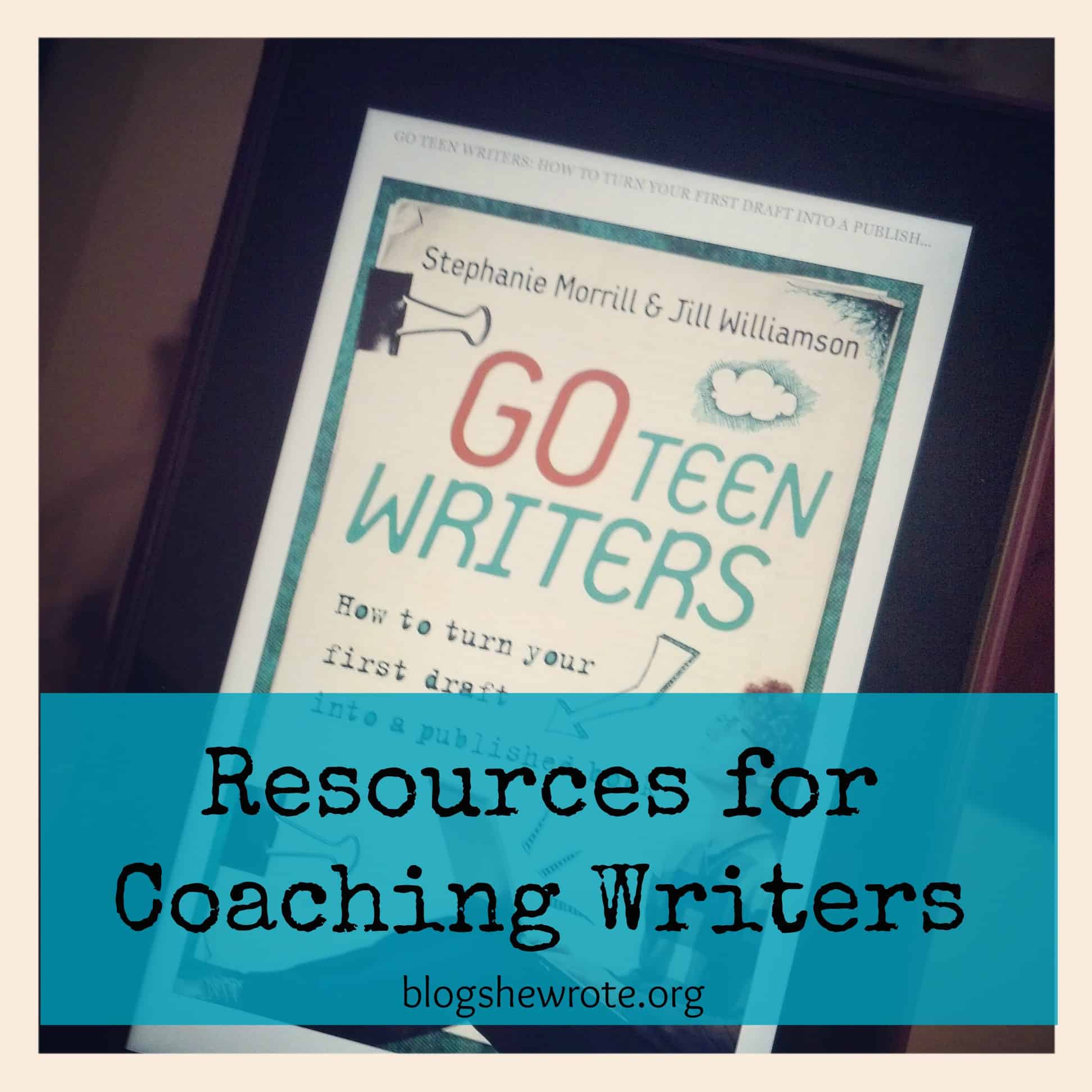
  • The Ultimate Guide to Coaching Writers in Your Homeschool– My approach to writing is to meet my kids where they are and to coach them to be the writers they need to be. Our goal is clear written communication. Kids start in different places, but the end goal is the same. I love to share how we approach writing instruction in our homeschool.

Finishing Strong ~ Homeschooling the Middle & High School Years #20

We are all about helping our kids to find their gifts and carve their niche in the world. I’m on a journey to help other families do the same!

Don’t forget to visit all of our co-hosts – Aspired Living, Blog She Wrote,Education Possible, Eva Varga, Milk and Cookies, Starts at Eight, and Tina’s Dynamic Homeschool Plus.

Follow Me Linky Party Finishing Strong

Blog Button Link Up Pinterest Button  Link Up Google Plus Link Up

Twitter Link Up You Tube Link Up

Follow Group Boards Linky Party Finishing Strong

Pinterest Button Link Up-1 Google Plus Group Link Up

Easy Details to Remember & Even Easier Guidelines.

      • The link up party goes live at 5:00 a.m. CST each Wednesday and stays open until the following Tuesday at 11:55 p.m.
      • Each week we will pick our favorite links as features and share them.
      • You can link up to 3 posts. Please do not link up advertising posts, or other link ups, or parties. I will remove them. Homeschool related reviews are permitted and of course all topics related to homeschooling middle to high school students.
      • Grab a button to add to your post after you link up and if you were featured, grab an “I was featured” button.
      • By linking up with us, you agree for us to share your images and give you credit of course.
      • That’s it! Glad to have you here and let’s party!


Tina's Dynamic Homeschool Plus

An InLinkz Link-up

2 CommentsFiled Under: Homeschool Link Up Party Tagged With: finishingstronghomeschoollinkup

30 Fun Resources for Learning About Daniel Boone

July 13, 2014 | 9 Comments
This post may contain affiliate links. For more information, please see my full disclosure policy.

Today, I have rounded up 30 fun resources for learning about Daniel Boone.  He straddles quite a few epoch time periods in American history.

Learning About Daniel Boone

Planning on updating more of my unit studies, even though being patient is not part of my personality, I hope to slowly share them with you throughout the year.

30 Fun Resources for Learning About Daniel Boone

Look below at these ideas for studying about Daniel Boone and about the colonial and frontier time periods.

Language Arts Ideas for Learning About Daniel Boone

Read this short story Daniel Boone’s Dear from American Folklore.  Use it to write a longer story or rewrite it. Read the Obituary on Daniel Boone and describe an American Folk Hero.

Copywork. Grab some quotes from here about Daniel Boone for copywork.

Also, look at these classroom activities.

Life During the Colonial Period and on The Frontier During the Life of Daniel Boone

Daniel Boone’s father was a blacksmith. Download a free .pdf which lists the different jobs during the colonial period. Also, learn about the food eaten during the colonial period.

Too, grab a huge 205 page free download about Women on the Frontier. 

I have not read all the way through it, but it has some great pictures and stories. Sometimes in teaching my sons about explorers, I overlook just how resourceful woman had to be too. This .pdf is a nice reminder full of stories.

Free printable lesson plan about the frontier and frontier life.

Free lesson plan for directions on making a colonial recipe, an activity for quilting and dyeing fabrics with household fruits and vegetables.

You’ll love learning more about American History with these fun hands-on units from Home School in The Woods.

Geography Ideas for Studying About Daniel Boone.

  • Research the history of Pennsylvania.
  • Research about the Appalachian Mountains. Read about the Appalachian Mountains here in the free .pdf publication.
  • Research the history of the state of Kentucky. Print a map here about Kentucky.

Free Maps of the Cumberland Gap Area/Wilderness Road.

Wilderness Survival Skills

Next, you can’t lean about Daniel Boone without learning about wilderness survival skills. Watch this YouTube video about How to Navigate the Wilderness. Also, look at Fire Starting with Sticks. 

Learn about how to tan deer hides and small fur skins.

Too, download this Wilderness Survival workbook. And this fun freebie too which is Outside Survival.

Events During the Life of Daniel Boone

And if you want to learn about the colonial period you’ll love this fun hands-on resource from Home School in the Woods.

In 1755, Daniel Boone went to fight in the French and Indian War. You’ll love my French and Indian War lapbook.

French and Indian War Free Lapbook

Also, he also lived through the American Revolutionary War.

American Revolution Lapbook

Grab my free American Revolution War lapbook.

Hands-On Activities for Learning About Daniel Boone

How to Build a Fort Build a Fort
(Pic. attribution: megahowto)

Build a Fort. Really cool project for those that take their fort building serious.

Next, make a fringed hunting shirt. It is important to be sure we teach our kids accurate clothing of the time period. 

30 Fun Resources for Learning About Daniel Boone
(Pic. Attribution: vaporofcolor)

So this site, N. Hurst Historic Tailoring, has a very helpful .pdf with pictures that explains how it was done.  Click on Fringe on the American Hunting Shirt pdf.

Also as shown from the picture above, you can make an easy fringed shirt. In addition, look at this site to show the large lapels on Daniel Boone’s clothing. Lots of good pictures here to show time period clothing and their history.

Play games children would have played while living on the frontier.

How to build a log cabin diorama– YouTube video.

Grab a free minibook at Practical Pages. Nadene has a page about a spinning wheel to describe the steps on how to spin.

Media about Daniel Boone

History of the Early American West – The Frontier (part 1) YouTube. Here is the description: In this mini-documentary, historian Darren R. Reid (University of Edinburgh) explores the development of the frontier in the years leading up to the American Revolution. From Daniel Boone’s exploration of Kentucky in 1769 to the outbreak of Dunmore’s War in 1774, this video is the perfect introduction to the early American west.

A History of the Early American West – The Frontier (part 2) Time: 10:41

Watch National Geographic: Appalachian Trail on Netflix. 50 minutes. “National Geographic straps on the boots to explore the splendors of the Appalachian Trail, the longest marked trail in the United States.”

Books and Fun Resources To Learn About Daniel Boone

Then, you’ll love these books and fun resources to round out your study about the life of Daniel Boone.


30 Fun Resources for Learning About Daniel Boone

Finally, we loved learning so much about Daniel Boone that I created a lapbook.

30 Fun Resources for Learning About Daniel Boone

Also, you may love these other fun resources:

  • Iroquois Unit Study and Lapbook
  • Lewis and Clark Unit Study and Lapbook
  • American Revolution Unit Study and Lapbook.
  • Pioneer Living and Cloth Dyeing (Hands-on History)
  • Lewis and Clark: Hands-on History. Make a Char Cloth
  • The Ultimate Guide to Brave Explorers (Great and Small)
  • 6 Unit Study Resources: Mountain Men – Explorers of the West
  • 100 BEST Books for Kids from all 50 States (Easy Geography)

Hugs and love ya,

9 CommentsFiled Under: Hands-On Activities, History Resources Tagged With: american history, DanielBoone, early American history, hands on history, hands-on, hands-on activities, handson, handsonhomeschooling, history, history resources, lapbook

  • « Go to Previous Page
  • Page 1
  • Interim pages omitted …
  • Page 402
  • Page 403
  • Page 404
  • Page 405
  • Page 406
  • Interim pages omitted …
  • Page 450
  • Go to Next Page »

Primary Sidebar

Footer

Privacy Policy | About Me | Reviews | Contact | Advertise

Categories

Archives

Tina Robertson is a participant in the Amazon Services LLC Associates Program, an affiliate advertising program designed to provide a means for sites to earn advertising fees by advertising and linking to amazon.com. As an Amazon Associate, I earn from qualifying purchases.

Copyright © 2026 · 5 TNT LLC · Log in · Privacy Policy